
Dr. M's Fender Strat getting the Snap Jack treatment!
The cables you choose can either enhance your guitar's tone or suck the life out of it. Another problem with poor quality guitar cables is they can actually add noise to your performance or even worse, your recording projects. We have sought out the best cables on the cutting edge of design, construction and innovation. The ones we have chosen both have a circuit breaking device on the tips which allows you to silently disconnect from your amp without running to turn it down or off. This feature alone saves time, steps and damage to your sound equipment. We have also separated them into two categories. The first cable we found was best for live performances and the second for recording. Since many of our guitar cables are also hooked up to our stompboxes, we included the best pedal cables as well. Here are the finalists:
Snap Jack Guitar Cable by ZZYZX for Live Performance
We have found this cable to be the best for live performances and concerts. This is because noise is not as mu
 ch of an issue when you are onstage as it is in the recording studio. The Snap Jack Cable all is same is very quiet but not the most quiet cable that we tested. Where the Snap Jack does shine is its ability to completely cut off the signal upon disconnecting the neodymium magnetic two piece tip. I have disconnected from a live sound system in concert without having to wait for the sound man to come on stage. Using extra tips,(available in straight and right angle), I've also been able to switch instruments quietly, on the fly with absolutely no popping or squeals coming over the amp. I like the fact that it will disengage under a certain amount of pressure, therefore should you catch your foot on the cable, you're not likely to go for a nasty fall or damage your equipment. Visit Jodavi 's ZZYZX online store and see all the models of Snap Jack cables at: http://www.zzyzxsnapjack.com/
Spectraflex Fatsoflex Silent Plug for Recording
When we wanted to do studio recording, we had to look at a lot of factors. Ambient sound, mic placement and especially the type of studio mic to pick. Where a lot of us miss it, i
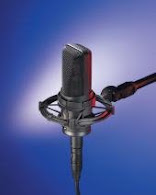
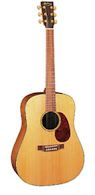
 s the fact that having poorly shielded cables can add even more noise than many environmental sources. We did a guitar instrumental as our first demo CD recording. What we found was a great deal of buzzing or hum on the track. Nothing we did seemed to help until we switched all of our studio cables to Spectraflex. The difference was incredible. All you can hear now is the sound of the instruments, (a Fender Stratocaster and a Martin D-16GT). The Spectraflex Fatsoflex Silent Plug allows for instrument switching but this cable's forte is in their super thick, braided insulation design. We've not found any other cable that could match it for noiseless recording and replication of clear tone. We've even replaced our new Audio-Technica AT 4047/SV side address condenser mic cable with a Spectraflex Braided Low Z cable. When everything comes across crystal clear on the studio monitors, you know that's going to transfer to your recording as well. Visit Spectraflex online at: http://www.spectraflex.com/
 A WORD ABOUT PEDAL CABLES
Using great guitar cables not only improve the quality of your tone but will carry over towards improving your pedal board's performance too. Some pedals do rob your guitar's tone but often times it is the type of cables you are using to connect from your guitar, to your pedals and then to your amp. A lot can get lost along the way, especially if you use a lot of individual pedals in a daisy chain of effects.
Personally I have always preferred the right angled pedal cables over those with straight tips although it is good to have a few of those onboard. Right angled tips allow more boxes to fit neatly on the pedal board. You'll appreciate this even more as your collection grows and you want to add some variety to your sound. Just as poorly shielded cables will add noise to your guitar's sound, the same is true for pedal cables. They should be of the same quality and insulation as what you plug into your guitar so here's our pick:
Spectraflex Braided Pedal Cables
Carrying over the same quality and shielding found in their braided guitar cables, Spectraflex does it all
 in style. I've used their braided guitar cables for years, (Spectraflex is the original braided cable, after all), and they are all still going strong. Their cloth braiding helps insulate from excess noise but also makes for a tougher, more durable cable. Not only that, the very cool colors and designs on the cables themselves can help you visually organize your pedal board. You can set up according to they type of effects, (modulation, compression, etc.), and use specific pedal cable colors to designate them. The quality is unsurpassed for connecting all of your stompboxes and even looping out an effect for your multi-effector like our BOSS GT-10 with Keeley's Compressor. Visit Spectraflex online to see their braided Fatsoflex and pedal cables: http://www.spectraflex.com/
The BOSS GT-10 in its custom Tarcase. Spectraflex pedal cables are used to loop in extra effects such as a Keeley Compressor.
Stick around for our continuing countdown of the Best Guitar Gear for 2009! If you are looking for that perfect Christmas gift for your favorite guitarist, (that could be you, actually), check out our reviews before you buy. You can also see our previous articles in this series, namely the first on the Best Guitar Gear for 2009 - Guitar Straps: http://mariejmiczak.blogspot.com/2008/11/best-guitar-gear-for-2009.html




















 Posts
Posts

